Contenidos
How to take care of your brushes
Normally, for the layman in the field, the brush is reduced to a piece of plastic or wood with a little fluff at the end thanks to which we can take paint and give color to the canvas or paper. However, brushes are an essential element for the artist and their care is an art in itself. There are many types of brushes that are used and divided according to the different pigments that are going to be used, such as oil, watercolors or acrylics, and depending on the pigment, the brush needs different care to achieve more “brushstrokes of life”. In the following article I will briefly tell you how I take care of them .
Watercolor brushes
Best work with watercolor brushes are usually made of sable naturally , marten synthetic or nylon (just in case you don’t know Sable is a kind of animal like a weasel)
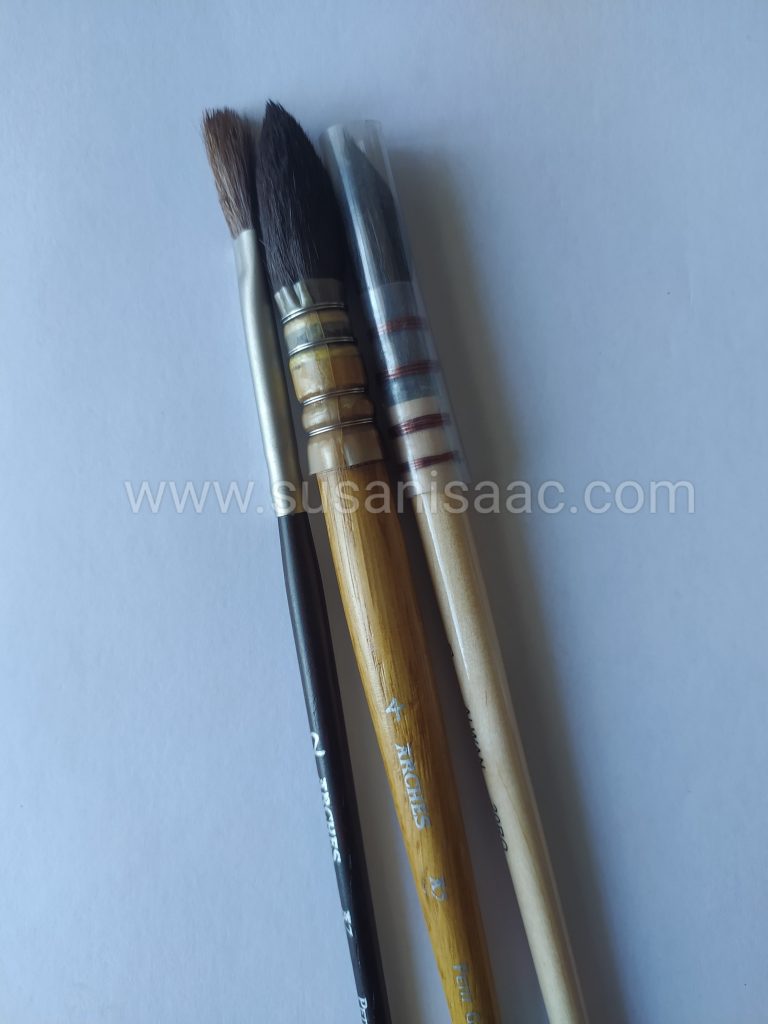
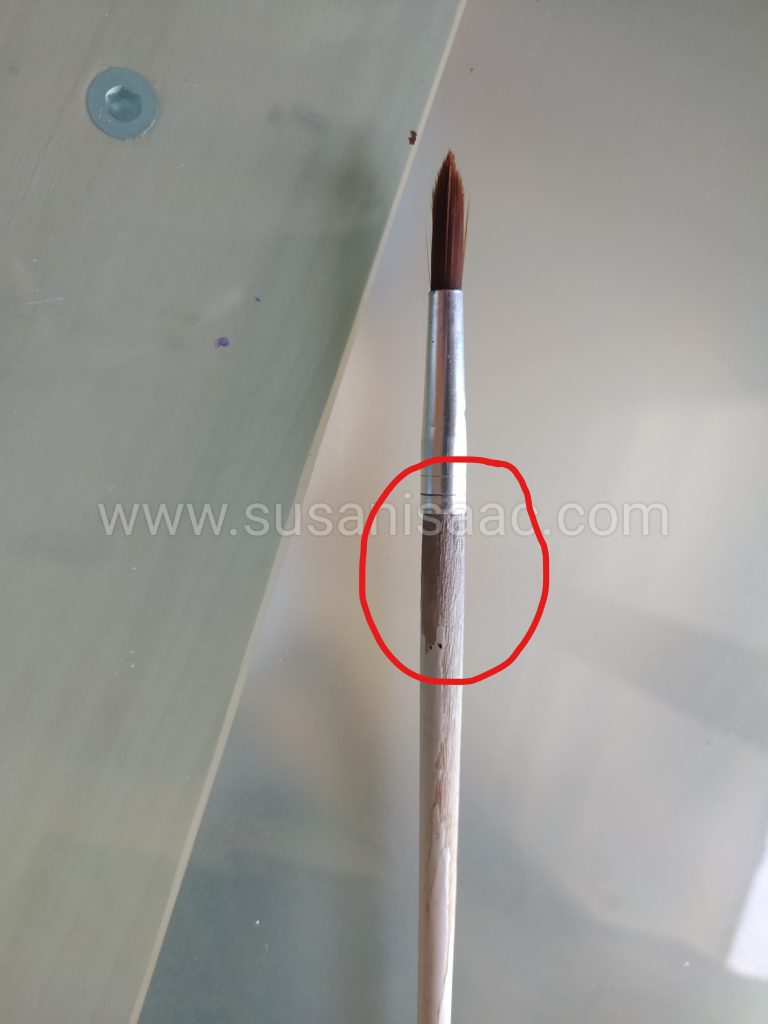
The usual way is to clean these types of brushes with water, which sounds like something normal and easy but has its “intricacies”. And the problem is that some artists leave the brush in the water for too long, so in the end the poor brush breaks down since these brushes have a wooden handle so if it is left to soak for a long time , the wood will suck the water and widen , finally losing its original shape. Let’s say that the maximum time in water should not be more than 10 minutes .
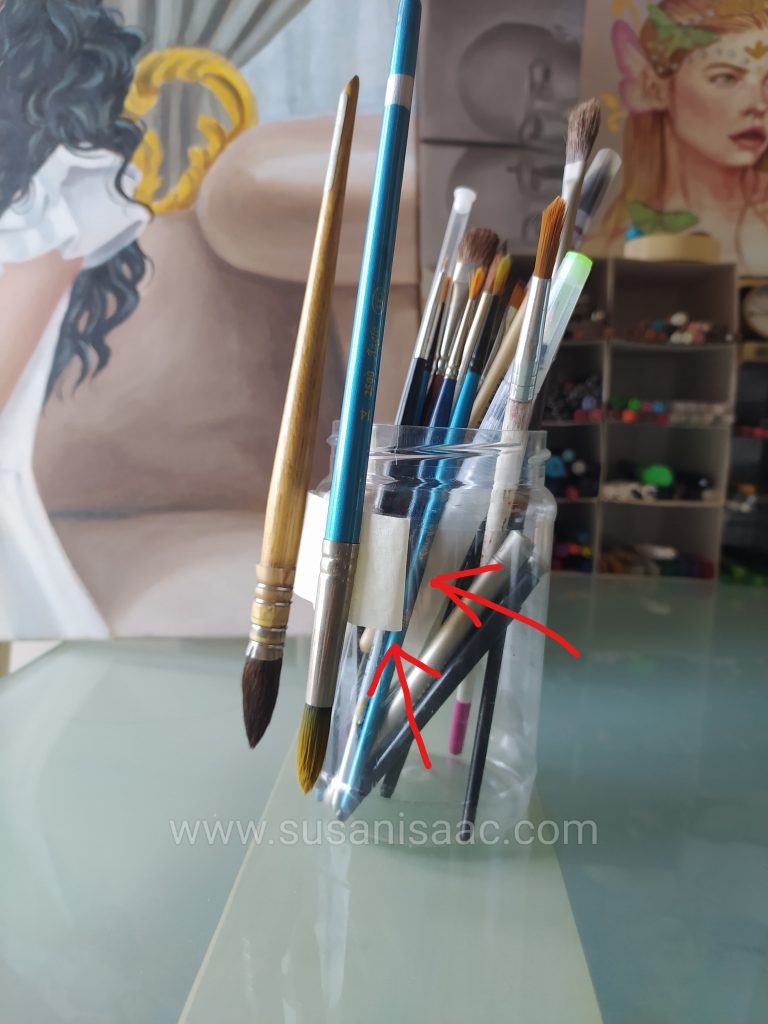
On the other hand, when the brushes are wet , you must place them upside down – the hair must be pointing to the ground – so that the bristles are down and in this way the water does not run towards the wooden handle and deteriorate it. What I do to keep it that way if I don’t have a special holder to hold the brush is put double-sided tape around a mug or something similar and stick the brush.
Oil paint brushes
These types of brushes are usually made of synthetic sable , but not of natural sable since natural hair is very soft and to work with oil it will not help us.
When it comes to buying a brush, you will find many different prices, but you don’t have to buy the most expensive brushes to get started; I have cheap and fairly normal brushes and what I do is take good care of them so that they last longer.
With the oil paint brushes while you are painting you have to clean the brush with a piece of cloth or cellulose paper – kitchen paper for example – to get rid of the paint on the brush and then you have to use turpentine to clean it before using other color. However, turpentine or solvents used in oil painting can destroy some types of synthetic brushes, but as long as you clean them only while changing colors it won’t be a big problem. Remember, solvents are acidic and eat the bristles, so you have to use them just enough to clean the brush.
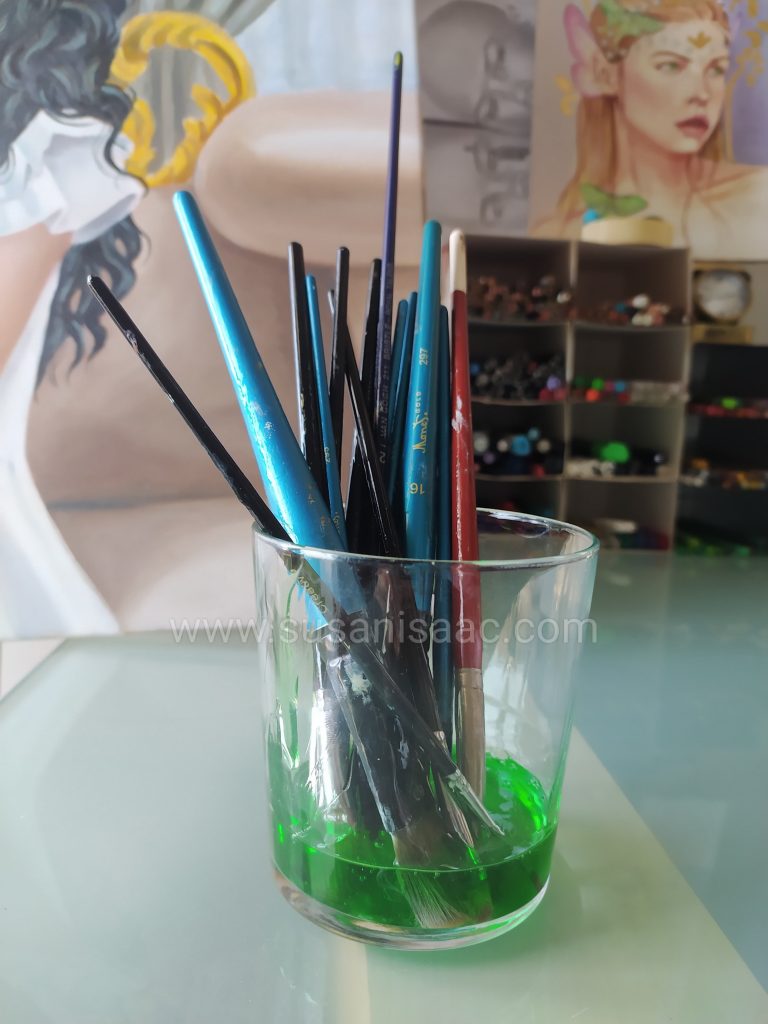
Finally, when you finish painting at the end of a day, clean the brush completely with a tissue and then a little turpentine; then take a jar or cup and place a little dish soap inside. Leave the brushes soaked in the soap for a day – this will remove the rest of the paint; when you are going to use them again, simply clean them under running water, dry them and … paint again!
Conclusions
Taking care of our brushes is essential so that we can translate what we want on the canvas. The advice I have given you is very simple and, as you may have seen, easy to implement – water, soap, kitchen paper … – so there is no excuse not to take care of our little work tools! I hope they have helped you 🙂
If you have any questions or comments you want to ask me, do not hesitate to contact me.